For the first time in decades, humans can have full control over their funds thanks to cryptocurrencies and their underlying technology. So what is cryptocurrency? Why are people around the world excited about Bitcoin and other cryptocurrencies?
In this article, we’ll break everything down for you. By the end, you’ll understand the basics of cryptocurrencies, how to get started, and where the future might take us.
What is Cryptocurrency for Beginners?
A cryptocurrency is a type of digital or virtual currency that exists online and can be used to make payments in the same way as fiat currencies like dollars or euros. The main difference is that cryptocurrencies don’t rely on banks to verify transactions. Instead, they use a technology called blockchain, which acts as a secure, decentralized digital ledger. If you’d like to know more, check out our blockchain guide for beginners.
What makes cryptocurrency innovative is that it eliminates the need for a middleman, like a bank, or a payment service provider. The blockchain represents the underlying technology that records all transactions across a network of computers, making them transparent, secure, and impossible to alter. This opens the door to a whole new financial system that is faster, cheaper, and more accessible to people worldwide.
What is Bitcoin in Simple Terms?
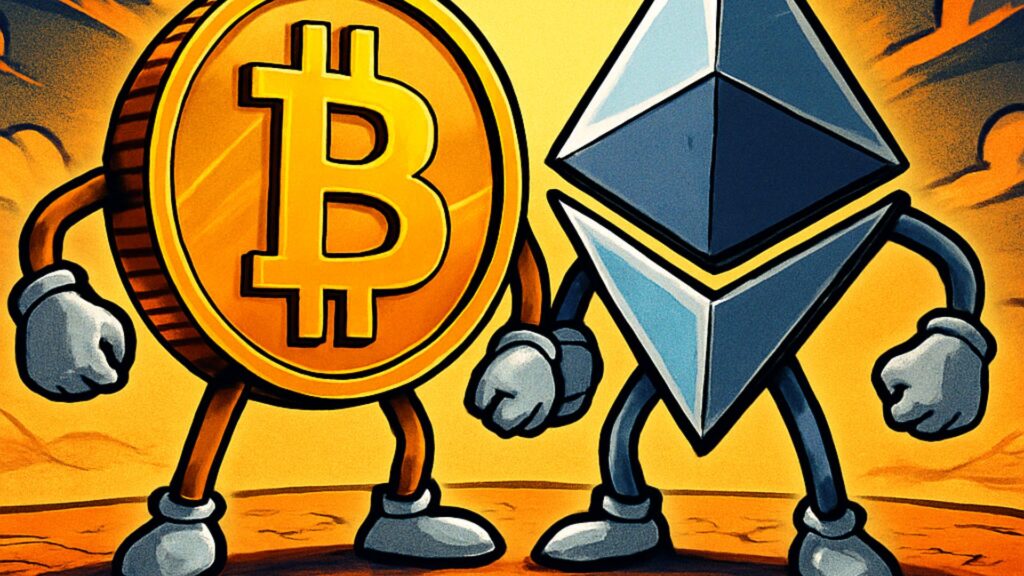
Bitcoin is the first cryptocurrency to use the blockchain. It was created in 2009 by an anonymous person or a group of individuals known as Satoshi Nakamoto. In simple terms, Bitcoin is a digital form of money that can be used to send and receive payments without relying on a bank or other middlemen.
Bitcoin emerged after the 2008 financial crisis when trust in banks and traditional financial systems was at an all-time low. It symbolizes financial freedom because, with Bitcoin, you fully control your money. It can’t be printed by governments or controlled by institutions, which is why many see it as “digital gold”.
What are Altcoins?
Altcoins are any cryptocurrencies that aren’t Bitcoin. Since Bitcoin’s creation, millions of new cryptocurrencies have emerged, each with its own unique features or use cases. Some aim to improve on Bitcoin’s limitations, while others focus on entirely new applications.
The altcoins come with different use cases; some are used as Layer 1 blockchains, allowing developers to build decentralized applications (Ethereum, for example), some are used as privacy-focused coins like Zcash, others have no specific utility like memecoins but managed to gather a huge support from the crypto community (Dogecoin, for example).
Bitcoin vs. Altcoins: Main Differences
– Technology: Bitcoin is designed to be a currency, used to buy or sell items, or a store of value like gold, while many altcoins, like Ethereum, offer more flexibility, allowing users to create smart contracts and decentralized applications (dApps).
– Supply: The supply is different from one cryptocurrency to another. Bitcoin has a fixed supply of 21 million coins, while altcoins like Ethereum have a more flexible supply system.
– Adoption: Bitcoin is the most widely adopted and recognized cryptocurrency, while altcoins are often more experimental or focus on niche applications.
How to Invest in Cryptocurrency for Beginners
Investing in cryptocurrency might sound complex, but it’s actually easier than it seems. First, you’ll need to sign up for a cryptocurrency exchange, which is like an online marketplace for buying and selling cryptocurrencies. Some popular exchanges include Coinbase, Binance, and Kraken.
Once you’ve signed up and verified your identity, you can deposit funds from your bank account or credit card to buy cryptocurrencies like Bitcoin or altcoins. It’s crucial to start small, take your time to do your research, and never invest money you can’t afford to lose.
Where to Store Cryptocurrencies: Crypto Wallets
After purchasing cryptocurrency, it is highly recommended to withdraw your assets from exchanges and keep them in a cold wallet. There are two main types of wallets: hot wallets and cold wallets.
- Hot wallets are connected to the internet, making them convenient for everyday use but more vulnerable to hacking. These are often offered by exchanges or available as apps on your phone.
- Cold wallets, on the other hand, are offline storage devices like hardware wallets. They’re more secure for long-term storage because they’re not exposed to potential online threats.
The Future of Cryptocurrency
The cryptocurrency is still in its early stages, and its future holds both exciting opportunities and difficult challenges. As adoption grows, cryptocurrencies could transform how we do business, making transactions faster and more inclusive, especially for people in underbanked regions.
New advancements like decentralized finance (DeFi) and smart contracts are expanding the possibilities of what blockchain technology can achieve.
However, the crypto space faces many challenges, including regulatory uncertainty, the need for better security solutions, and, unfortunately, more seriousness, as we’ve seen in the last few years higher interest in memecoins than in utility projects, which is not very positive for the future of cryptocurrency.
To conclude, it is important to keep in mind that cryptocurrencies represent a relatively new asset class, and it has a huge upside potential if it manages to overcome the challenges mentioned above.